Making content production fast and on brand
One system that turns a brief into finished, on-brand marketing work, from statics to video. Days of design time down to about twenty minutes.
In 2025, every deliverable at S51 was handmade. The brand knowledge lived in a few heads, every long-form piece started from a blank file, and design time was the bottleneck on all of it. A 14-page client eBook meant three to four days of design work from my team after the copy was ready. The work was good. The economics were the problem.
 The manual eBook · designed by hand by the S51 team
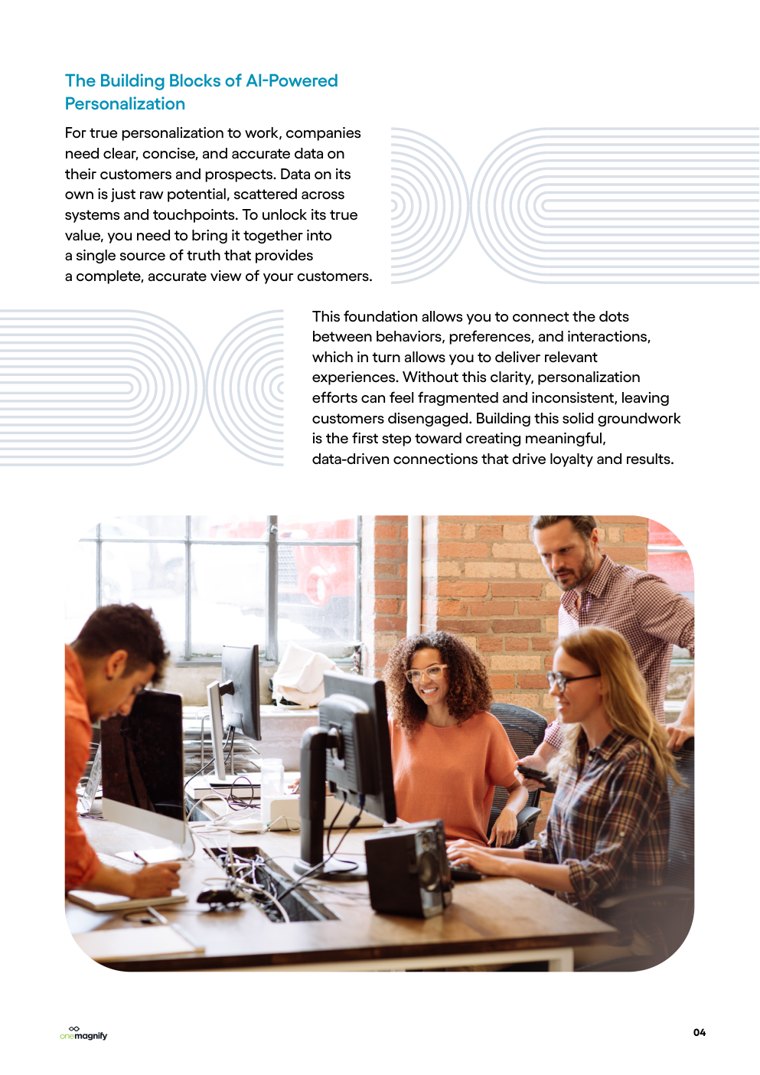 About three to four days of design work
One system the whole team works from. Anyone types a request in plain English, and it comes back as a finished draft in that client's voice, filed where it belongs. I wrote 12 custom skills for it, covering copywriting, content strategy, video scripts, design briefs and more, and led the team's adoption. Five people use it daily. Since February it has produced 341 deliverables across 9 clients.
It makes marketing collateral end to end, from social statics and carousels to video, all held to the client's brand. The eBook further down is the worked example, chosen because it is the heaviest lift: fourteen designed pages, print-ready.
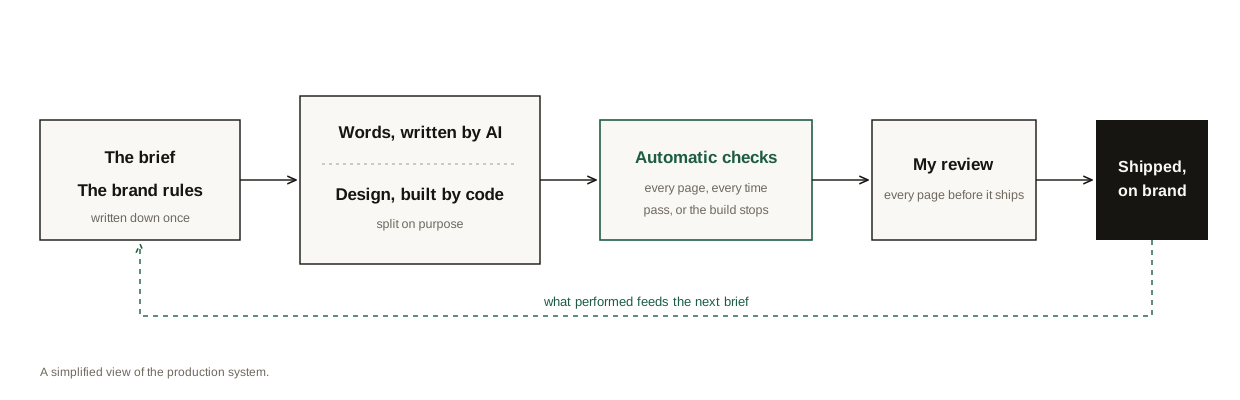
A language model cannot be trusted to hold a brand on its own. It drifts, and nobody notices until the client does. So the work is split: AI writes only the words. The design is done by code that carries the client's brand. Colors and type are fixed values, layout is rules, and every page is checked automatically before a human sees it: contrast, copy fit, page overflow, dead links. A check either passes or the build stops.
In July I ran the pilot. A new manuscript for the same client, written copy in, straight through the system. Fourteen print-ready pages in about twenty minutes. Every automatic check passed. I made three fixes in the look pass, and the only change to the client's words was one grammar correction. Where the outline referenced a case study that had no copy yet, the system left the slot empty rather than writing something plausible. Nothing was invented.
The client had wrapped with us by then, so this ran as an internal pilot, not a delivery. The bar was the same: their brand system, their copy, print-ready.
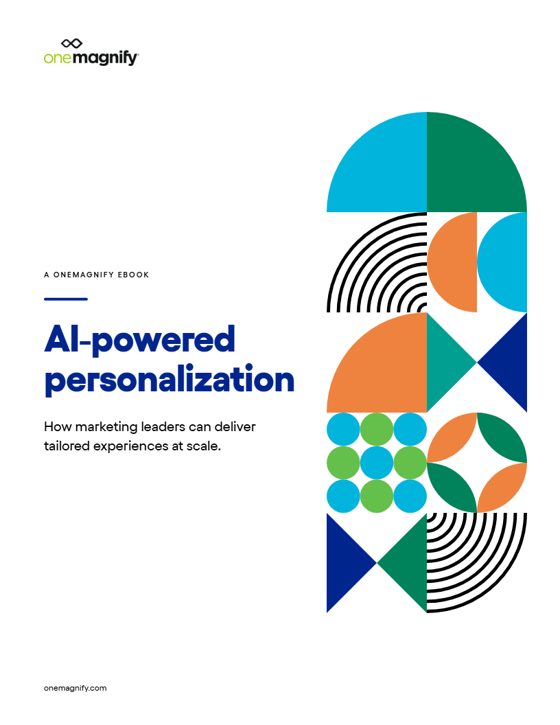
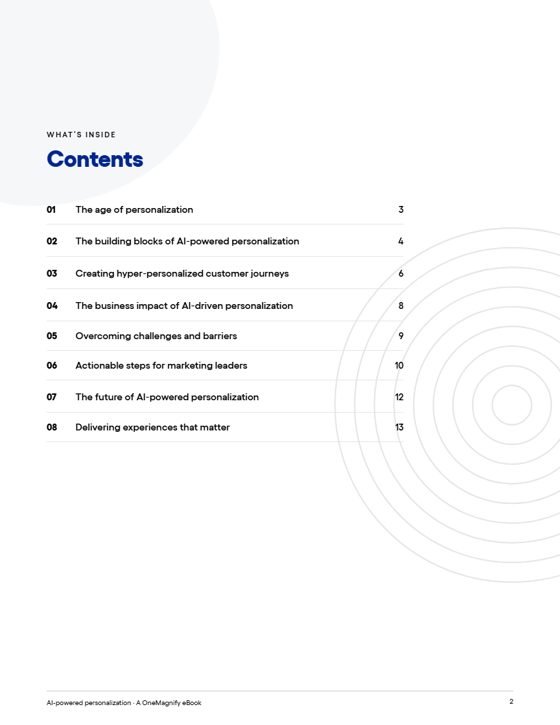
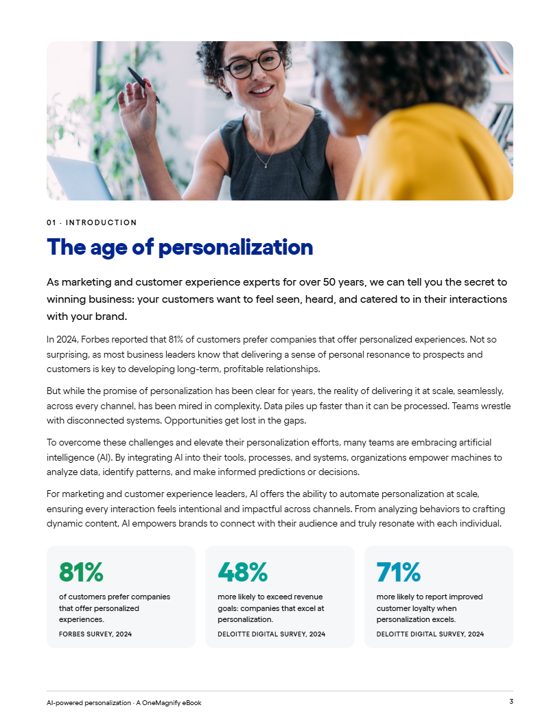
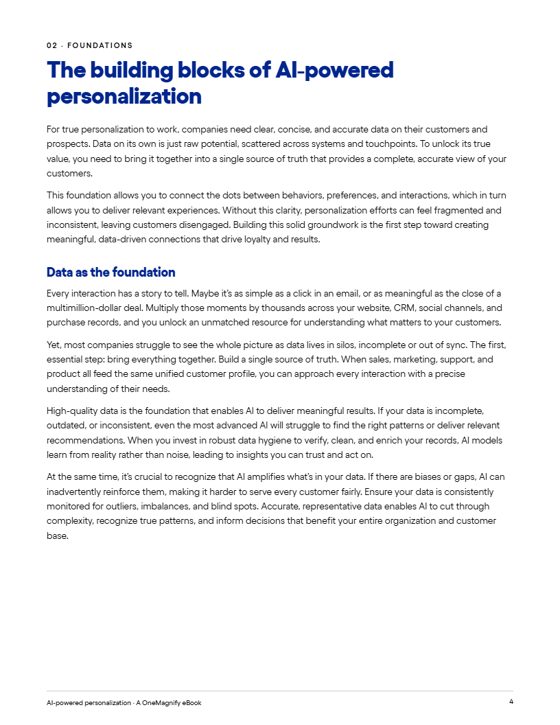
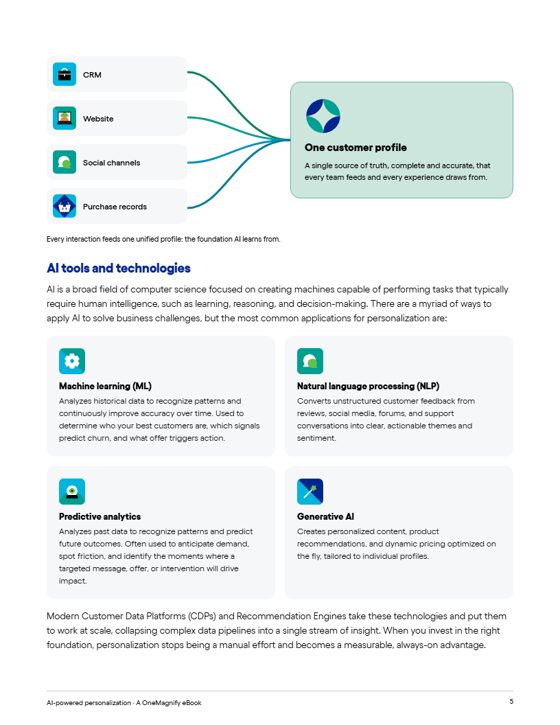
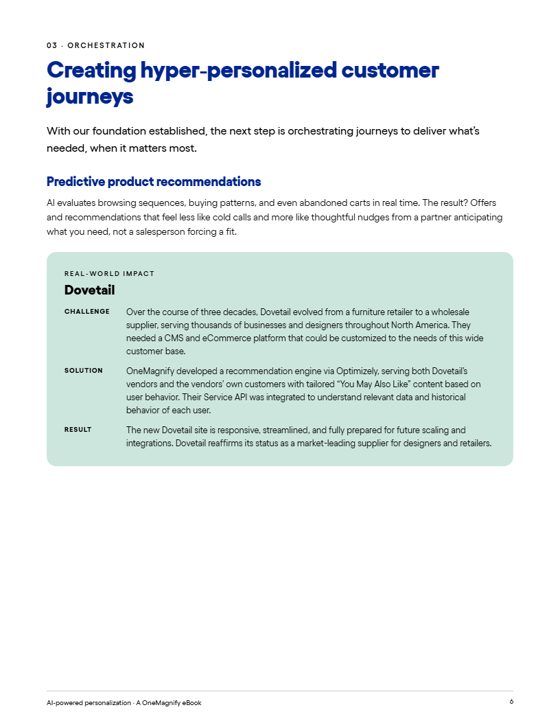
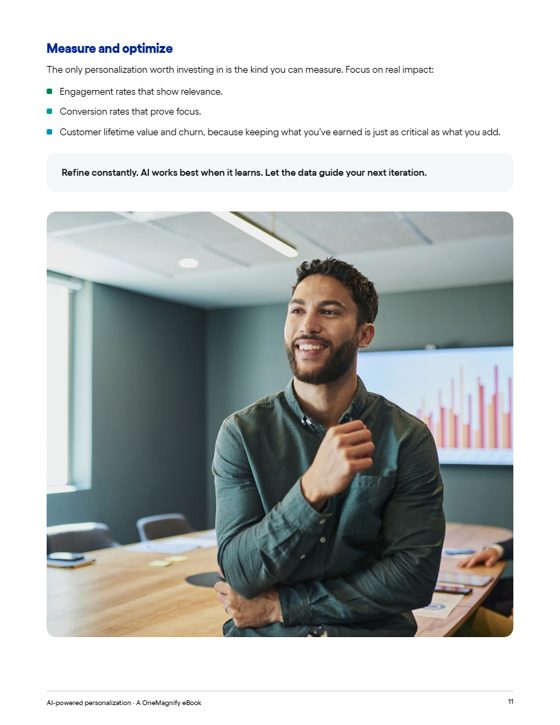
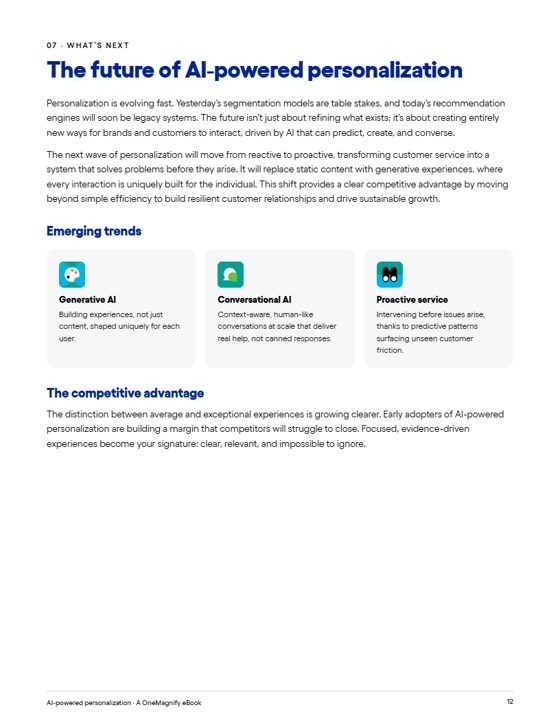
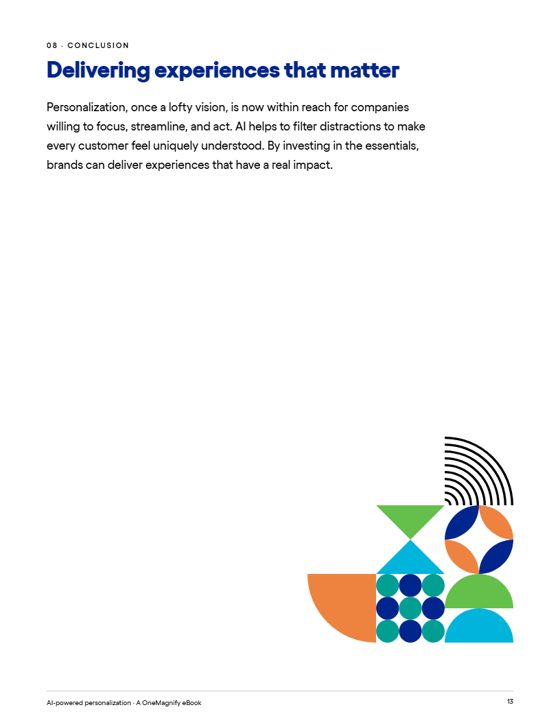
Three to four days of design time became about twenty minutes.
On the same format, to the same brand standard. The bigger change is who can do it. The brand rules are written down once, so quality no longer depends on who is at the keyboard. The system does not remove judgment. It moves judgment to the end, where it counts: I review every page before anything ships, and the time the system saves goes back into strategy and craft, the parts a client actually pays for.
How I built it
Three decisionsAI writes words. Code does the design.
Language models drift on visual systems, so the system never asks one to design. The layout, colors and type are handled by code that cannot drift.
Checks run as code, not opinions.
Contrast, copy fit, overflow and links are checked automatically on every page. Quality that depends on someone remembering to look is not quality.
The brand rules are written once.
The client's design rules are written down as laws the system enforces, down to which text may carry color.